

How to Install Hexis Without Orange Peel
The definitive guide to achieving a flawless, glass-smooth finish with Hexis SKINTAC films — and why the HEX'Press adhesive makes it possible.
Shop Hexis Films at Rvinyl →What Is Orange Peel — and Why Does It Happen?
Orange peel is the term installers use to describe a textured, dimpled surface finish on a wrapped vehicle that resembles the skin of a citrus fruit. Instead of a mirror-smooth, glass-like reflection, the surface shows a fine, irregular waviness that scatters light and kills the visual depth of even the most premium wrap film. It is one of the most common complaints among both DIY installers and professionals who are new to working with cast vinyl — and it is almost entirely preventable.
Orange peel in vinyl wrapping occurs when air becomes trapped between the film and the substrate during application. As the installer squeegees the film down, pockets of air are pushed ahead of the blade and compressed into tiny bubbles rather than being expelled. When heat is applied to stretch the film over curves, those trapped pockets expand unevenly, creating the characteristic dimpled texture. The result is a finish that looks rough, uneven, and amateurish — regardless of how expensive or technically advanced the film itself is.
Orange peel is caused by trapped air between the film and the substrate. The adhesive system is the single most important factor in whether air can escape freely during application — or whether it becomes permanently locked in.
The secondary cause of orange peel is incorrect squeegee technique — applying too much pressure too quickly, working in the wrong direction, or using a squeegee that is too rigid for the surface being wrapped. Temperature also plays a role: working in an environment that is too cold stiffens the film and makes it resist conforming to the substrate, while working in excessive heat can cause the adhesive to tack prematurely before air has had a chance to escape.
The Technology
Inside HEX'Press: How Hexis Engineered the Problem Away
Hexis's answer to orange peel is not a technique — it is an engineering solution built directly into the film itself. The HEX'Press adhesive system is a structured, solvent-based acrylic adhesive with a microscopic network of air-release channels embossed into the adhesive layer. These channels are not visible to the naked eye, but their effect on the installation process is immediately apparent the moment you begin applying the film.
The channels function as a continuous escape route for air. As the installer lays the film onto the substrate and draws the squeegee across the surface, air is actively channelled away from the contact zone and expelled at the edges rather than being compressed into pockets. The result is a dramatically smoother, more consistent bond from the very first pass — with far less risk of the trapped-air dimpling that causes orange peel on films with conventional flat adhesive systems.
HEX'Press Film Construction — Layer by Layer
Unlike conventional flat adhesive systems where air has nowhere to go, the HEX'Press channel network gives every air molecule a direct path to the edge of the film. The installer does not need to fight the adhesive — the adhesive actively cooperates with the squeegee to produce a bubble-free, orange-peel-free bond.
The PE HEX'Press liner is an often-overlooked but critical component of this system. The liner is not simply a protective backing — it is the manufacturing tool that creates the channel pattern in the adhesive. The channel geometry is embossed into the liner's surface, and during the coating process, the adhesive takes on the inverse of that geometry. When the liner is peeled away during installation, the channels in the adhesive are revealed, ready to function exactly as designed. This means that every roll of Hexis SKINTAC film — from the first meter to the last — has a perfectly consistent, fully structured adhesive layer.
Step-by-Step Guide
How to Install Hexis Without Orange Peel: The Complete Process
The HEX'Press adhesive does the heavy lifting, but the installer still needs to work with the film correctly to achieve a flawless result. The following steps represent the professional standard for installing Hexis SKINTAC films with zero orange peel.
Prepare the Surface — Thoroughly and Without Shortcuts
Clean the entire vehicle surface with an isopropyl alcohol (IPA) solution of at least 70% concentration. Remove all wax, polish residue, silicone, grease, and road grime. Pay particular attention to panel gaps, door jambs, and any recessed areas where contaminants accumulate. Any residue left on the surface will block the HEX'Press channels from making full contact with the substrate, creating isolated zones where air cannot escape — and those zones will show as orange peel or lifting.
Pro Tip: Clay bar the surface after IPA wipe-down for a truly contaminant-free bond surface.Control Your Environment — Temperature Is Everything
Work in a temperature-controlled environment between 60°F and 80°F (15°C–27°C). Below 60°F, the cast PVC film stiffens and resists conforming to the substrate, and the adhesive becomes less responsive — both conditions increase orange peel risk. Above 85°F, the adhesive can tack prematurely, reducing your repositioning window and making it harder to work the film flat before it bonds. The film itself should be at room temperature before installation begins — never apply film that has been stored in a cold vehicle or warehouse.
Pro Tip: Allow rolls to acclimatize at room temperature for at least 2 hours before starting.Use the Dry Application Method — Let HEX'Press Do Its Job
Hexis SKINTAC films are designed for dry application. Unlike wet-method films that require a soapy water solution to allow repositioning, the HEX'Press adhesive provides repositioning capability without any liquid. Position the film over the panel, peel back the liner progressively, and lay the film down in sections. The air-release channels immediately begin directing air toward the edges as you work. Do not use a wet application with Hexis SKINTAC — introducing water into the HEX'Press channel system can temporarily block the channels and defeat their air-release function.
Pro Tip: Use a hinge method — tape one edge, peel the liner from the opposite side, and lay the film progressively.Squeegee Technique — Angle, Pressure, and Direction
Use a felt-edge squeegee at a 45-degree angle to the film surface. Apply firm, consistent pressure and work from the center of the panel outward toward the edges — always in the direction that pushes air toward the nearest open edge. Never squeegee toward a sealed edge where air has nowhere to escape. Use overlapping strokes with approximately 50% overlap between each pass to ensure no air is left behind. The HEX'Press channels will carry the air ahead of your squeegee and out at the edges, but only if you are working in the right direction.
Pro Tip: Use a buffer cloth or felt sleeve on your squeegee to protect the film surface from squeegee marks.Apply Heat for Curves and Recesses — Controlled and Consistent
For complex curves, bumpers, mirrors, and recessed areas, use a heat gun set to approximately 140°F–160°F (60°C–70°C) surface temperature. Heat the film until it becomes pliable and slightly glossy, then stretch and conform it to the shape. Keep the heat gun moving in slow, even sweeping motions — never hold it stationary over one spot. After stretching, immediately squeegee the film flat to bond it while it is still warm and pliable. The HEX'Press adhesive remains workable during this process, continuing to channel air out even as the film is being stretched.
Pro Tip: Use an infrared thermometer to monitor surface temperature — overheating causes the adhesive to set too quickly.Post-Heat the Entire Wrap — Activate the Full Bond
Once the film is fully applied and trimmed, post-heat the entire wrap to activate the adhesive fully and collapse any remaining microscopic air channels into a permanent bond. Work systematically across every panel at a surface temperature of approximately 140°F (60°C). Post-heating is especially important on any areas that were stretched around curves — the film has memory and will attempt to retract if the adhesive is not fully activated. Proper post-heating is the final step that locks in the orange-peel-free finish and ensures long-term adhesion.
Pro Tip: Post-heat within 30 minutes of completing each panel — do not wait until the entire vehicle is wrapped.Troubleshooting
Common Mistakes That Cause Orange Peel — Even With Hexis
The HEX'Press adhesive system is highly forgiving, but it cannot compensate for fundamental installation errors. The following table identifies the most common mistakes that produce orange peel even when working with Hexis SKINTAC films, along with the correct approach for each.
| Mistake | Why It Causes Orange Peel | Correct Approach |
|---|---|---|
| Contaminated surface | Residue blocks HEX'Press channels from contacting the substrate, creating isolated air pockets | IPA wipe-down followed by clay bar treatment on all panels |
| Cold film or cold environment | Stiff film resists conforming; adhesive channels compress rather than release air | Acclimatize film for 2+ hours; work between 60°F–80°F |
| Wet application method | Water blocks the HEX'Press channels, defeating the air-release function | Always use dry application with Hexis SKINTAC films |
| Squeegeeing toward sealed edges | Air has nowhere to escape and compresses into trapped pockets | Always squeegee from center outward toward open edges |
| Excessive squeegee pressure | Crushes channels before air escapes; creates micro-tears in the adhesive layer | Firm, consistent pressure at 45° — not aggressive force |
| Skipping post-heat | Adhesive not fully activated; film retracts on curves, creating texture | Post-heat every panel to 140°F within 30 minutes of application |
| Overheating during stretch | Adhesive sets prematurely; air locked in before channels can expel it | Monitor surface temp with infrared thermometer; stay below 165°F |
The Best Film for Orange-Peel-Free Results
Why the HXONE Takes Orange-Peel Prevention Further
While all Hexis SKINTAC films benefit from the HEX'Press adhesive system, the HXONE Super Gloss — launched in 2025 — represents the most advanced implementation of this technology. The HXONE uses an updated HEX'Press One adhesive system with a refined channel geometry that provides even more consistent air egress across the full surface area of the film.
The HXONE's surface finish amplifies the importance of orange-peel-free installation. Its mirror-like, ultra-smooth super-gloss top coat is the most unforgiving surface in the Hexis lineup — any imperfection in the underlying bond, however small, will be visible in the reflection. The self-healing PU top coat eliminates minor surface scratches, but it cannot correct orange peel that originates in the adhesive layer. Getting the installation right the first time is essential, and the HEX'Press One adhesive makes that achievable even for intermediate-level installers.
The HXONE's PET-reinforced hybrid cast PVC construction means it has slightly less initial stretch than the HX20000. Work in smaller sections on complex curves, apply heat more gradually, and allow the film to relax before squeegeeing. The HEX'Press One adhesive provides excellent repositioning time, so there is no need to rush.
After applying a section of Hexis SKINTAC film, run a clean fingertip lightly across the surface. A correctly applied section will feel perfectly smooth and glassy. Any texture — even the faintest roughness — indicates trapped air that needs to be worked out before post-heating locks it in permanently. The HEX'Press channels remain active until post-heat, so you still have time to correct it.
Available Now at Rvinyl
Choose Your Hexis Film — All with HEX'Press Technology
Every Hexis SKINTAC film available at Rvinyl ships with the full HEX'Press adhesive system. Whether you are doing a full color-change wrap, a specialty chrome build, or the most advanced super-gloss finish available, the air-release technology is built in from the factory.
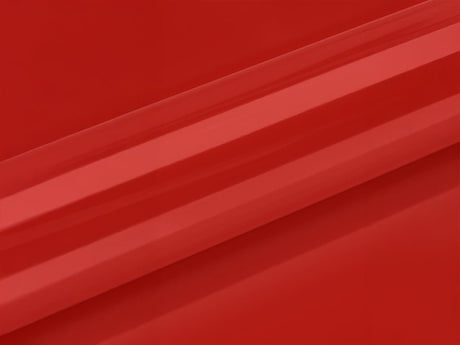
HXONE Super Gloss
Mirror-gloss with self-healing top coat and updated HEX'Press One adhesive. The most orange-peel-resistant film in the Hexis lineup.
Shop HXONE →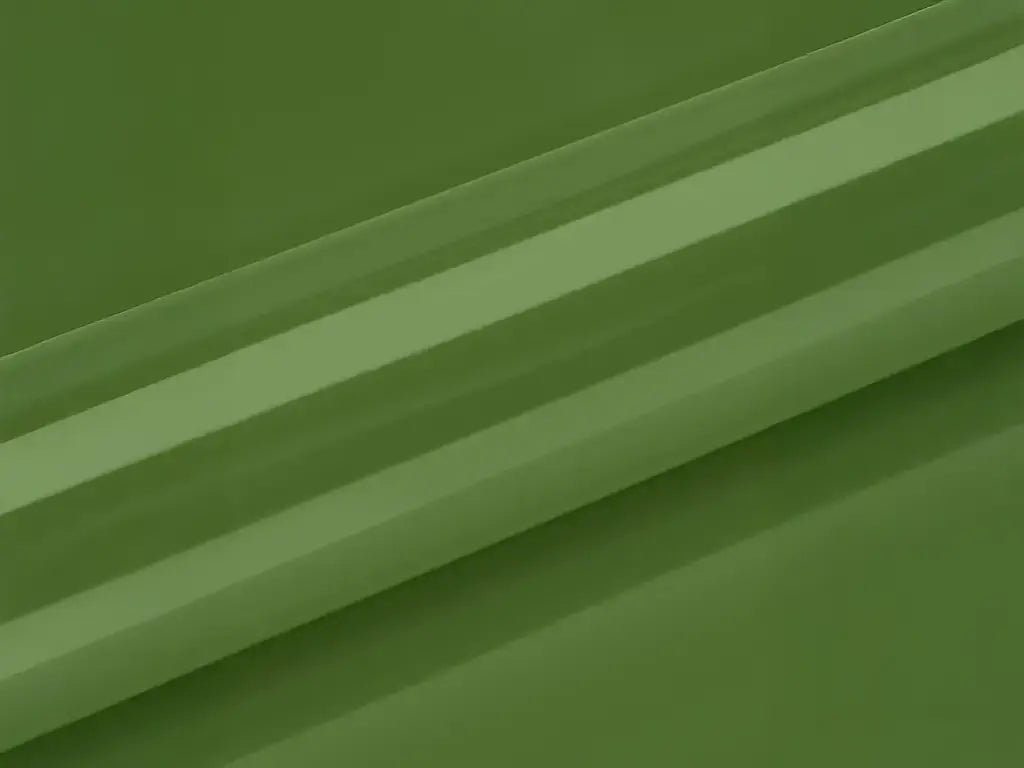
Skintac HX20000
Multilayer cast PVC with the original HEX'Press adhesive. 197+ colors and finishes for full vehicle wraps and color changes.
Shop HX20000 →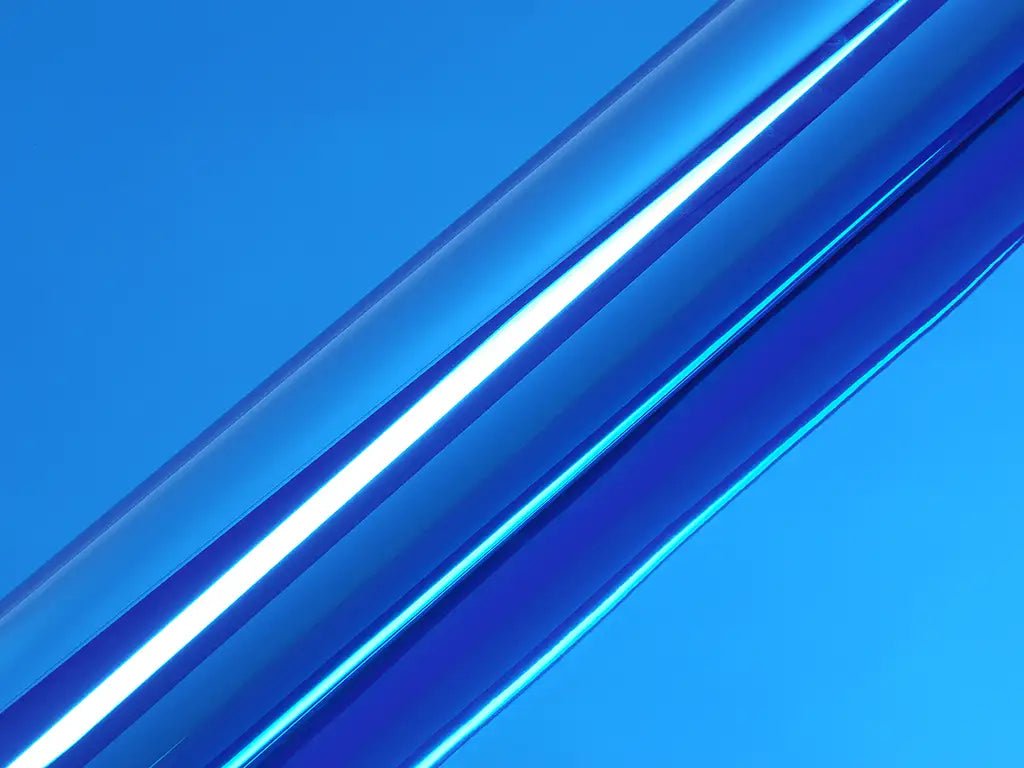
Skintac HX30000
Chrome, Variochrome, carbon fiber, and brushed metal finishes on a 90-micron cast base with full HEX'Press air-release adhesive.
Shop HX30000 →Ready to Install Hexis the Right Way?
Shop the complete Hexis SKINTAC lineup at Rvinyl — HXONE Super Gloss, HX20000, HX30000, and Super Chrome. Every roll ships with HEX'Press air-release adhesive built in. Free shipping on qualifying orders.
Shop All Hexis Films at Rvinyl →