

The Complete Vinyl Wrap Tools Guide
Every great wrap starts before the film ever touches the surface. The tools you choose determine how cleanly the vinyl adheres, how confidently you can work through curves and edges, and how professional the finished result looks. This guide walks through every essential tool category — from surface prep and squeegees to knifeless tape, magnets, razors, weeding tools, marking pencils, and aftercare — so you can build a setup that supports every stage of the install.
Surface Prep: Foundation of Every Wrap
Before a single inch of vinyl film is unrolled, the surface it will bond to must be as clean as possible. This is not a suggestion — it is the single most important factor determining whether your wrap adheres cleanly, lasts for years, and looks professional from every angle. Oils from fingerprints, wax residue left over from previous detailing, road grime embedded in panel seams, and microscopic dust particles all act as barriers between the film's adhesive and the substrate. Even a surface that appears clean to the naked eye can carry enough contamination to cause lifting, bubbling, or premature edge failure.
Dedicated vinyl wrap surface cleaners are formulated specifically for this task. Unlike household cleaners or generic isopropyl alcohol wipes, purpose-built pre-wrap cleaners are designed to remove the exact types of contamination that interfere with vinyl adhesion without leaving their own residue behind. Products like the Orafol Pre-Wrap Surface Cleaner are engineered to evaporate cleanly, leaving the panel in an optimal state for film application. The Rapid Tac Rapid Prep line offers both compact and large-format options, making it practical for everything from a small decal install to a full vehicle wrap session.
The correct technique matters as much as the product itself. Applying the cleaner to a lint-free cloth rather than directly to the panel prevents over-saturation and streaking. Working in straight, overlapping passes from the top of the panel downward ensures that any loosened contamination is carried away rather than redistributed. Allowing the surface to fully dry before film contact is equally critical — any residual moisture can trap beneath the adhesive and create micro-bubbles that are nearly impossible to remove after the fact.
For professional installers working in high-volume shops, a consistent surface prep routine is what separates a repeatable workflow from a guessing game. When every panel starts from the same clean baseline, the installation process becomes more predictable, the film behaves more consistently, and the finished result is more reliable. For DIY installers approaching their first project, investing in proper surface prep products is one of the most impactful decisions they can make before the film even comes out of the box. The few minutes spent on thorough preparation can prevent hours of troubleshooting later.
It is also worth noting that surface prep is not limited to the initial clean. During a complex installation involving multiple panels or a full vehicle wrap, the installer may need to re-prep sections that were handled or contaminated during the process. Keeping a bottle of surface cleaner within reach throughout the job ensures that any accidental contamination can be addressed immediately rather than discovered after the film has been applied.
Shop Surface Prep Tools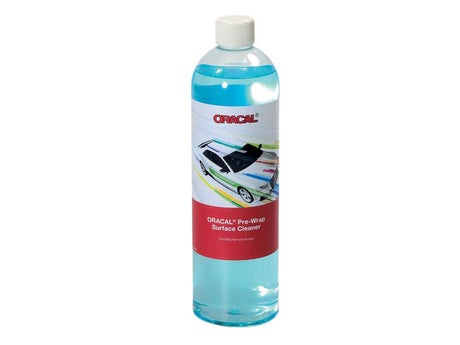
Squeegees: Control, Pressure, and Glide
The squeegee is arguably the most fundamental tool in any wrap installer's kit. It is the primary instrument through which the installer communicates pressure to the film, guiding it into contact with the surface, pushing air outward, and conforming the vinyl to the contours of the substrate. Choosing the wrong squeegee — or using the right one incorrectly — is one of the most common sources of installation problems, from trapped air bubbles and silvering to surface scratches and uneven adhesion.
Squeegees are available in a wide range of materials, hardness levels, and edge profiles, each suited to different aspects of the installation process. Felt-edge squeegees, such as the Avery Dennison Blue Felt Squeegee, are the go-to choice for working directly on exposed film surfaces. The felt edge provides a soft, low-friction contact point that glides across the vinyl without scratching or marring the finish, even on sensitive cast films, printed graphics, and specialty textures. The medium hardness of the blue felt variant makes it versatile enough for both flat panel work and moderate curves.
For more aggressive applications — particularly when working with thicker films, repositionable films, or substrates that require more pressure to achieve full adhesion — harder squeegees like the Lidco Industry Standard or the Lidco Round Corner Teflon Squeegee offer the rigidity needed to drive out air more decisively. The Teflon-blend edge reduces friction further, making it especially effective for long, straight passes on hoods, roofs, and door panels. The Lidco Heavy-Weight Felt Edge Wrapped Squeegee bridges the gap between these two approaches, offering the surface protection of felt with the structural rigidity of a heavier body.
Micro-squeegees and detail cards serve a different purpose entirely. The Avery Dennison FleXtreme Micro-Squeegees are designed for working in tight spaces — around door handles, inside mirror housings, along trim edges, and through any area where a standard-sized squeegee cannot reach without risk of damage. These compact tools allow the installer to maintain consistent pressure in areas that would otherwise require improvised solutions. The Lidco Chizzler, a hard plastic card tool, is particularly useful for working film into recessed channels and seams where the film needs to be firmly seated without lifting.
Squeegee handles are an often-overlooked component of the toolkit. The Lidco E.Z. Grip Squeegee Handle provides a more ergonomic grip for extended use, reducing hand fatigue during long installation sessions. For installers who work on large vehicles or commercial graphics regularly, this kind of ergonomic consideration can make a meaningful difference in both comfort and consistency over the course of a full day's work.
Proper squeegee technique is as important as the tool itself. Applying too much pressure too early can stretch the film, creating stress points that may lift or crack over time. Working from the center of a panel outward, rather than from one edge across, helps distribute air evenly and prevents it from becoming trapped in pockets. Overlapping passes by approximately one-third of the squeegee width ensures complete coverage without leaving untreated strips. Finishing passes with a felt-edge tool at a shallower angle helps seat the film's edges more securely and reduces the risk of lifting at seams.
Shop Squeegees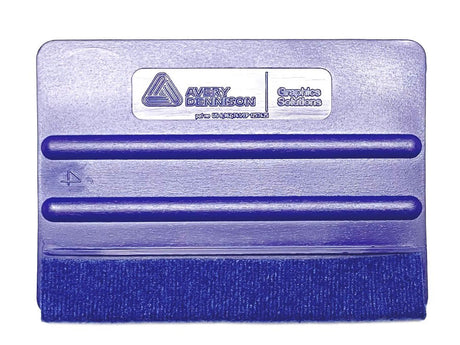
Match Your Squeegee to the Film
Cast films, printed graphics, and specialty finishes like matte and chrome require softer felt-edge tools to prevent surface damage. Calendered films and thicker wraps can handle harder edges for more decisive pressure. Always test on a small section before committing to a full panel pass.
Knifeless Tape: Blade-Free Precision Cuts
Knifeless tape represents one of the most significant innovations in the vinyl wrap industry over the past two decades. Before its widespread adoption, every trim cut required a blade to be dragged directly across the film — and often dangerously close to the paint or substrate beneath it. A moment of inattention, a slight variation in pressure, or an unexpected surface irregularity could result in a cut that went too deep, damaging the clear coat or even the base coat of a vehicle's paint. Knifeless tape eliminates this risk entirely by embedding a fine cutting filament within the tape itself.
The principle is straightforward but elegant. The installer lays the tape along the desired cut line before the film is applied, then applies the vinyl over the top of the tape. Once the film is smoothed down and properly seated, the installer pulls the exposed end of the filament upward and draws it through the film in a smooth, controlled motion. The filament cuts cleanly through the vinyl without ever contacting the surface below, producing a precise edge that would be difficult to replicate with a blade, especially on curved or complex surfaces.
The 3M Knifeless Tape line offers several variants, each optimized for different cutting scenarios. The Finish Line Tape is the most versatile option, suitable for straight and gently curved cuts on standard wrap applications. The Design Line Tape features a slightly different filament configuration that makes it better suited for tighter curves and more intricate design work. The Precision Line Tape is engineered for the most demanding applications, providing exceptional control on complex contours and reflective or textured films where a clean edge is especially critical.
The Tri-Line Tape, available in both 6mm and 9mm widths, allows the installer to create multiple parallel cut lines simultaneously — a significant time-saver when working on striping, panel transitions, or any application where consistent spacing between cuts is important. The Bridge Line Tape is specifically designed for bridging gaps between panels, moldings, and trim pieces, allowing the installer to create clean seams that follow the natural lines of the vehicle without requiring a blade in tight or recessed areas.
The Perf Line Tape offers a perforated filament option that is particularly useful when working with perforated vinyl or other specialty films where a standard cut might cause tearing or delamination. Each variant in the 3M Knifeless Tape line reflects a specific installer need, and having the right tape for the right situation is what allows professional installers to achieve consistently clean results across a wide range of projects.
For DIY installers, knifeless tape is perhaps the single most impactful tool they can add to their kit. The confidence that comes from knowing a cut will be clean and paint-safe — without requiring years of blade-handling experience — fundamentally changes the experience of a first wrap project. It allows beginners to focus on film placement, smoothing, and overall quality rather than spending mental energy worrying about whether the blade is going to slip.
Shop Knifeless Tape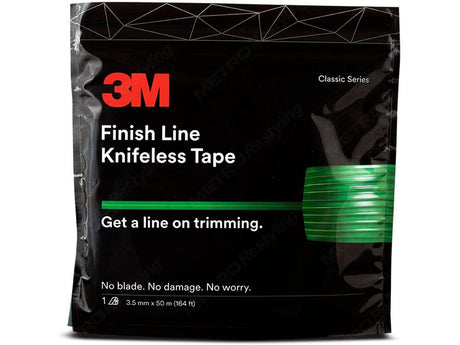
Wrap Magnets: Hands-Free Positioning
Positioning vinyl film accurately before the first smoothing pass is one of the most challenging aspects of any wrap installation, particularly for larger graphics, full panel wraps, and complex multi-piece designs. The film needs to be held in exactly the right position while the installer steps back to check alignment, makes fine adjustments, and prepares for the application pass. Without a reliable way to hold the material in place, this process typically involves an awkward combination of masking tape, improvised supports, and a second pair of hands — none of which provide the precision or repeatability that a professional installation demands.
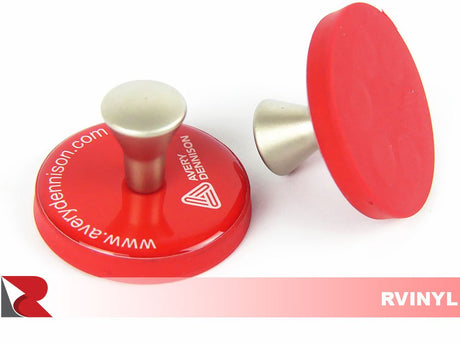
Wrap magnets solve this problem elegantly. The Avery Dennison Wrap Magnets are designed specifically for this purpose, providing a strong, repositionable hold that keeps the film exactly where the installer places it without requiring tape, adhesive, or physical assistance. The magnets grip through the vinyl to the metal substrate of the vehicle, holding the material firmly in place while the installer works on alignment, measurement, and preparation for the application pass.
The practical benefits of wrap magnets extend well beyond simple convenience. When the film is held securely by magnets, the installer can use both hands freely for measurement, marking, and fine-tuning the position of the graphic. This is particularly valuable when working with large-format prints or full vehicle wraps where even a millimeter of misalignment can become visible as a pattern mismatch or a crooked seam. The ability to set the film, step back, evaluate the position from multiple angles, and make adjustments without fighting gravity or material memory is a genuine workflow improvement.
Wrap magnets are also invaluable during the hinge method of application, where one portion of the film is folded back and held in place while the backing paper is removed from the other half. The magnets hold the folded section securely while the installer smooths the first half down, then releases the fold and continues the application. This technique is standard practice for large panels and full vehicle wraps, and having reliable magnets makes it significantly more manageable.
For solo installers working without an assistant, wrap magnets effectively function as an extra pair of hands. They allow a single person to manage film that would otherwise require two people to hold and position simultaneously. This is not just a convenience — for many independent installers and DIY enthusiasts, it is what makes certain projects feasible at all. The investment in a quality set of wrap magnets pays dividends on every project where positioning accuracy matters.
Shop Wrap Magnets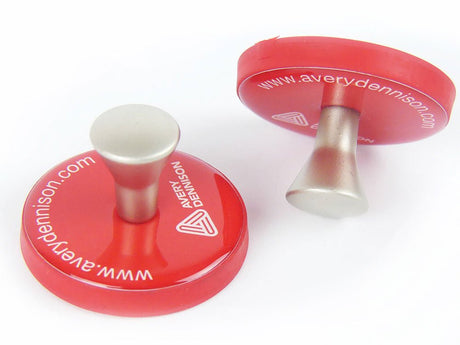
Razors and Knives: Confident Trimming
Despite the growing popularity of knifeless tape, there are many situations in a vinyl wrap installation where a blade is still the right tool for the job. Trimming excess film from door jambs, cutting around complex body lines, removing material from areas where knifeless tape cannot be pre-positioned, and making final adjustments to seam placement all require the precision and control that only a well-designed wrap knife can provide.
The Avery Dennison Metal Breakaway Knife is a professional-grade cutting tool designed specifically for vinyl wrap applications. Its breakaway blade design allows the installer to snap off dulled segments to expose a fresh, sharp edge without interrupting the workflow. A sharp blade is not just a matter of convenience — it is a safety and quality issue. Dull blades require more pressure to cut through film, which increases the risk of the blade slipping and the cut going deeper than intended. A fresh, sharp edge cuts cleanly through vinyl with minimal pressure, giving the installer maximum control over the cut path.
The Avery Dennison Plastic Breakaway Knife offers the same breakaway functionality in a lighter, more compact form factor. This makes it a practical choice for installers who prefer a less heavy tool for extended use, or for situations where the lighter weight provides better tactile feedback during precise trimming work. Both variants are designed to accept standard breakaway blade segments, ensuring that replacement blades are readily available.
The Avery Dennison Snitty Knife occupies a unique position in the wrap tool ecosystem. Rather than cutting through the film itself, the Snitty is designed to cut only through the liner — the backing paper that protects the adhesive before application. This makes it the ideal tool for the hinge method and for any technique that requires the liner to be removed in sections without disturbing the film above it. The Snitty's blade geometry is specifically engineered to penetrate the liner without cutting through the vinyl, giving the installer a clean, controlled liner separation every time.
Blade angle is a critical variable in vinyl cutting technique. Most experienced installers prefer a 30-degree blade angle for wrap work, as it provides a good balance between sharpness and durability. Steeper angles cut more aggressively but dull more quickly, while shallower angles last longer but may require more pressure. Maintaining consistent blade angle throughout a cut is what produces a straight, clean edge rather than a wandering or ragged one. Practicing on scrap material before making final cuts on a project is always a worthwhile investment of time.
Blade storage and safety are also important considerations. Exposed blades should never be left unprotected on a work surface, and spent blade segments should be disposed of in a dedicated sharps container rather than loose in a trash bin. A disciplined approach to blade management is part of the professional standard that separates a well-run installation from a careless one.
Shop Razors and Knives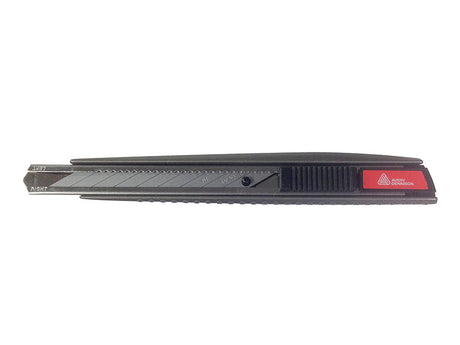
Weeding Tools: Detail and Cleanup
Weeding is the process of removing unwanted sections of vinyl from a cut design, leaving only the intended graphic on the backing paper or transfer tape. It is a task that demands patience, precision, and the right tools — and it is one where improvised solutions consistently produce inferior results. Using a fingernail, a pen cap, or any other non-purpose-built tool to weed vinyl risks tearing the film, contaminating the adhesive, or disturbing adjacent sections of the design that should remain intact.
The Rvinyl Burnishing Tool is a multi-function weeding and detail tool that addresses several of the most common challenges in vinyl handling. Its wedge end is designed for starting corners, lifting film edges, and separating vinyl from the liner in a controlled manner. The pin end provides the precision needed for working through intricate cutouts, removing tiny waste sections from complex designs, and handling the kind of detailed work where a larger tool would cause more problems than it solves.
The burnishing function of the tool is equally valuable. After a graphic has been applied and the transfer tape removed, there are often small sections of the design — particularly fine lettering, thin lines, and intricate shapes — that have not fully adhered to the substrate. A burnishing tool allows the installer to apply targeted pressure to these areas, ensuring complete adhesion without risking damage to the surrounding film. This step is especially important for graphics that will be exposed to the elements, as any section that is not fully adhered is a potential entry point for moisture, dirt, and UV degradation.
For sign makers, craft vinyl enthusiasts, and anyone working with cut vinyl graphics, a quality weeding tool is as essential as the cutter itself. The time spent weeding a complex design can easily exceed the time spent cutting it, and having the right tool makes the process significantly faster and less frustrating. A sharp, well-designed pick tool allows the installer to work through intricate designs with confidence, removing waste sections cleanly without disturbing the keeper sections.
Media handling tools, available in the Rvinyl media handling collection, complement weeding tools by providing better control over larger sheets of vinyl during the cutting and weeding process. Proper media handling reduces the risk of the film shifting during cutting, which can cause registration errors that make weeding more difficult. A well-organized workflow that includes both media handling and weeding tools produces cleaner results with less wasted material.
Shop Weeding Tools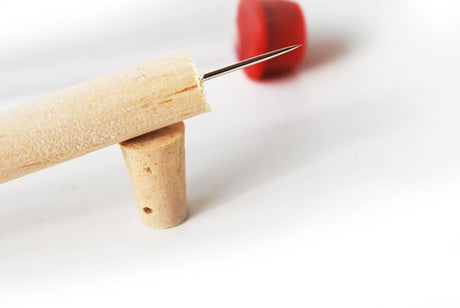
Marking Pencils: Plan Before You Cut
Measurement and marking are the planning stages of a vinyl installation, and they are stages that many installers — particularly those newer to the craft — are tempted to skip or rush through. The logic seems sound: the film is flexible, it can be repositioned, and small adjustments can be made during application. In practice, however, installations that begin without clear reference marks almost always require more corrections, produce more waste, and take longer to complete than those that start with a well-thought-out layout.
The Stabilo All Pencil line is the professional standard for marking on vinyl, glass, metal, and other non-porous surfaces. The Stabilo 8052 White All Pencil is the preferred choice for marking on dark surfaces — black vinyl, tinted glass, dark painted panels — where a standard graphite pencil would be invisible. The soft, waxy lead marks clearly and densely on virtually any surface, and crucially, it wipes away cleanly with a damp cloth without leaving a permanent residue. This makes it ideal for marking cut lines, registration points, and alignment guides that need to be visible during the installation but must disappear completely from the finished product.
The Stabilo 8008 Graphite All Pencil serves the same function on lighter surfaces, providing a visible mark that is easy to follow during cutting and trimming. Both pencils arrive pre-sharpened and maintain their point well through extended use. The graphite variant is particularly useful for marking templates, noting measurements on paper backing, and creating reference guides that will be used repeatedly throughout a project.
Beyond simple cut-line marking, these pencils are valuable for establishing registration points when applying multi-piece designs. When a graphic needs to span multiple panels or align with specific body lines, having clear reference marks ensures that each piece is positioned correctly relative to the others. Without these marks, achieving consistent alignment across a complex installation is largely a matter of guesswork — and guesswork is the enemy of professional results.
For sign makers and graphic installers working on flat substrates, marking pencils are equally important. Marking the centerline of a sign panel, establishing the baseline for lettering, and noting the boundaries of a design before application are all practices that produce more consistent, professional-looking results. The few seconds it takes to make a reference mark are almost always recovered many times over in reduced adjustment time and wasted material.
Shop Marking Pencils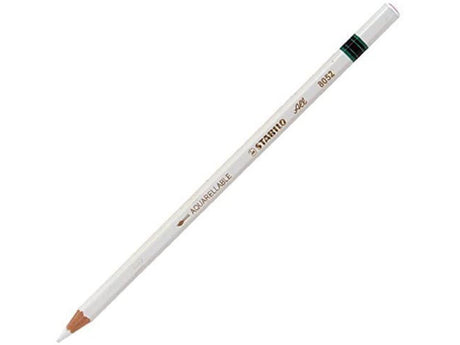
Application Fluid: Slip and Reposition
Application fluid — also known as slip solution or wet application fluid — is a tool that fundamentally changes the dynamics of vinyl installation. By introducing a thin layer of liquid between the adhesive and the substrate, application fluid temporarily reduces the tack of the adhesive, allowing the film to be slid, repositioned, and adjusted across the surface before it is finally squeegeed into permanent contact. This technique is particularly valuable for large graphics, full-color prints, and any application where precise positioning is critical and the cost of a misaligned install is high.
The wet application method is standard practice in the sign and graphics industry, where large-format prints need to be positioned accurately on windows, walls, and vehicle surfaces. For automotive wraps, the technique is used selectively — primarily for full-color printed wraps, large decals, and any situation where the installer needs more time and flexibility to achieve perfect alignment before committing to the final bond.
The Rvinyl vinyl film slip solution collection includes purpose-formulated application fluids designed to provide the right balance of slip and tack reduction without compromising the long-term adhesive performance of the film. Using the wrong fluid — or an improvised substitute like soapy water — can leave residue beneath the adhesive, create long-term adhesion problems, or cause the film to behave unpredictably during the squeegeeing process. Purpose-built application fluids are formulated to evaporate cleanly and completely as the film is worked into contact with the substrate.
The technique for wet application requires some practice to master. Applying too much fluid can make the film difficult to control, while too little defeats the purpose of the method. The installer needs to develop a feel for the right amount of fluid for a given film and substrate combination, and for the right squeegeeing technique to drive the fluid out from beneath the film without creating bubbles or lifting the edges. Once mastered, however, wet application is one of the most powerful techniques in the installer's repertoire, enabling a level of precision and control that is simply not achievable with dry application alone.
Shop Application Fluid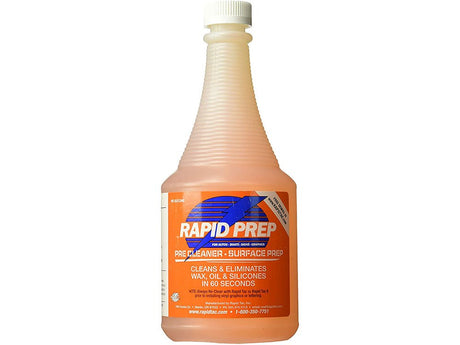
Wrap Gloves: Cleaner Hand Contact
The installer's hands are in constant contact with the film throughout the installation process — handling, positioning, smoothing, and finishing. This direct contact introduces several potential problems that are easy to overlook until they manifest as visible defects in the finished wrap. Natural skin oils, sweat, and microscopic debris from the hands can contaminate the adhesive, create adhesion problems, and leave fingerprints or smudges on the film surface that are difficult or impossible to remove after the fact.
Wrap gloves address these problems by providing a clean, low-friction interface between the installer's hands and the film. The smooth outer surface of a quality wrap glove allows the hand to glide across the vinyl with less drag than bare skin, making it easier to guide the film into position, smooth it over curves, and apply even pressure during finishing passes. The reduced friction is particularly noticeable when working with cast films and specialty finishes that are more sensitive to rough handling.
Beyond the practical benefits of reduced friction and contamination, wrap gloves also provide a degree of surface protection for the film itself. The glove material acts as a buffer between the installer's hand and the vinyl, reducing the risk of accidental marring, scratching, or pressure marks on sensitive surfaces. This is especially important when working with gloss films, chrome finishes, and printed graphics where any surface imperfection will be immediately visible in the finished product.
For professional installers who work with vinyl every day, wrap gloves are a standard part of the toolkit — as routine as a squeegee or a heat gun. The comfort benefits of wearing gloves during extended installation sessions are also significant. Repeated contact with vinyl adhesive can dry out the skin and cause irritation, particularly during long jobs. Gloves protect the hands from this exposure while maintaining the tactile sensitivity needed for precise work. The Rvinyl wrap gloves collection offers options suited to different installation needs and preferences, from lightweight options for detail work to more substantial gloves for full vehicle wraps.
Shop Wrap Gloves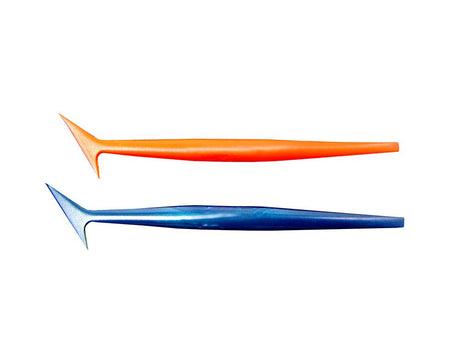
Adhesive Removers: Reset Without Damage
Every vinyl installation eventually reaches the end of its life, whether due to natural aging, damage, a change in design, or the desire to update a vehicle's appearance. The removal process is where many installers — and many vehicle owners — make costly mistakes. Attempting to remove vinyl without the right tools and techniques can result in adhesive residue that is difficult to clean, surface damage from improper scraping, and hours of frustrating work that could have been avoided with the right approach.
Rapid Tac Rapid Remover is one of the most trusted adhesive removal products in the industry. Its formulation is designed to break down the adhesive bond of vinyl films, decals, and graphics without damaging the substrate beneath. Applied to the adhesive residue after the film has been removed, Rapid Remover softens the adhesive, making it easy to wipe away with a clean cloth. The 4oz bottle is ideal for smaller jobs and spot cleanup, while the 32oz format is the practical choice for full vehicle wrap removals and high-volume shop work.
The Lidco Big Blade Removal Tool offers a mechanical approach to vinyl removal that complements chemical removers. The flexible variant is designed for use on curved surfaces and areas where a rigid tool would be difficult to control, while the rigid variant provides more leverage for lifting stubborn sections of film from flat panels. The Lidco Chizzler, with its hard plastic construction, is particularly effective for working film out of recessed channels, seams, and trim areas where the film has been firmly seated and needs more persuasion to release.
The key to successful vinyl removal is patience and the right combination of heat, chemical assistance, and mechanical tools. Applying heat with a heat gun softens the adhesive and makes the film more pliable, reducing the risk of tearing during removal. Chemical removers then address any residue left behind, and mechanical tools handle the sections that resist chemical treatment alone. Working methodically through these three approaches — heat, chemistry, and mechanics — produces a clean substrate that is ready for the next installation without surface damage or residue.
For installers who regularly remove and replace wraps, having a dedicated removal kit that includes both chemical removers and mechanical tools is a significant workflow improvement. The time saved by having the right tools immediately available, rather than improvising with whatever is at hand, adds up quickly across multiple projects. The Rvinyl adhesive removers collection brings together the most effective removal products in one place, making it easy to assemble a complete removal toolkit.
Shop Adhesive Removers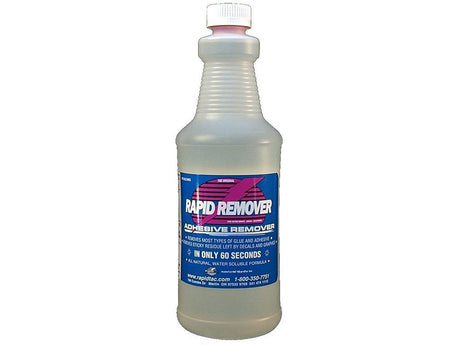
Wrap Application Kits: Start Complete
For installers who are just beginning their journey with vinyl wraps, or for experienced professionals who want a streamlined, organized starting point for a new project, wrap application kits offer a compelling solution. Rather than assembling a toolkit piece by piece — with the inevitable risk of missing a critical item — a well-designed application kit provides everything needed for a complete installation in a single, organized package.
The best wrap application kits are built around the core tools that every installation requires: a quality squeegee for smoothing and air removal, wrap magnets for positioning and alignment, application gloves for clean handling, and a compact cutting tool for trimming. Some kits also include surface prep products, knifeless tape, and detail tools, creating a truly comprehensive starting point for a full wrap project. The Rvinyl wrap application kits collection brings together these essential combinations, with options suited to different project types and experience levels.
The organizational benefit of a kit should not be underestimated. When all the tools for a project are together in one place — ideally in a dedicated tool belt or carry case — the installation process flows more smoothly. There is no interruption to search for a missing squeegee or realize mid-project that the application fluid was left in the car. This kind of workflow discipline is what separates a professional installation from an amateur one, and it is a habit that is much easier to establish from the beginning than to retrofit later.
For gift-givers and those purchasing tools for others, application kits also solve the problem of not knowing exactly which individual products to choose. A curated kit from a trusted source like Rvinyl ensures that the recipient has a complete, compatible set of tools rather than a random assortment of items that may not work well together. The confidence that comes from starting a project with the right tools — rather than making do with whatever is available — is genuinely transformative for new installers.
Shop Application Kits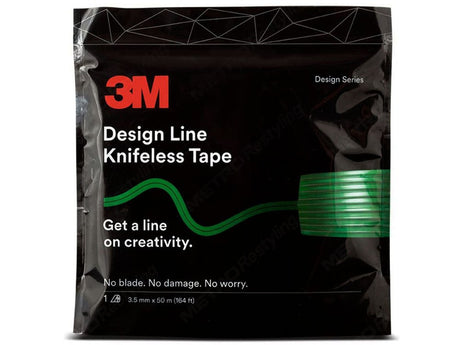
Vinyl Film Care: Protect the Finish
The installation is complete, the film is smooth and properly adhered, and the finished wrap looks exactly as intended. At this point, many installers and vehicle owners consider the job done — but the care and maintenance phase is where the long-term success of the wrap is truly determined. A wrap that is maintained correctly from the first week after installation will look dramatically better at the two-year mark than one that was neglected, even if both started from the same film and the same installation quality. Vinyl film, like any exterior surface finish, is subject to environmental degradation from UV radiation, road contaminants, bird droppings, tree sap, and the mechanical abrasion of regular washing. Without proper care, even the highest-quality wrap will begin to show its age prematurely.
The Rvinyl vinyl film care collection includes a comprehensive range of products designed to address every aspect of wrap maintenance. Avery Dennison Supreme Care Cleaner is formulated specifically for wrapped surfaces, providing effective cleaning without the harsh chemicals or abrasives that can damage the film's finish or compromise the adhesive bond at the edges. The Supreme Care Sealant adds a protective layer over the cleaned surface, helping to repel water, resist UV degradation, and maintain the depth and clarity of the wrap's color and finish.
For gloss wraps, the 3M 39905 Ceramic Boost Spray provides an additional level of protection by depositing a thin ceramic coating over the film surface. This coating enhances the gloss depth, improves water beading, and provides a harder, more durable surface that is more resistant to light scratches and environmental contamination. Ceramic protection is increasingly popular among vehicle owners who want to maximize the longevity and appearance of their wrap investment.
Edge sealers are another critical component of wrap care, particularly for installations where the film terminates at panel edges, door jambs, and other areas where the edge of the film is exposed to the elements. The 3M 8520 Matte Edge Sealer and the 3M 8914ES Gloss Edge Sealer are designed to seal the cut edges of the film, preventing moisture, dirt, and contaminants from working their way beneath the adhesive and causing lifting. Applying edge sealer as part of the post-installation process significantly extends the life of the wrap, particularly in high-stress areas like door edges and hood seams.
Adhesion promoters, such as the 3M Primer 94 and the 3M Automotive Adhesion Promoter 06396, are used in areas where the substrate presents adhesion challenges — recessed channels, plastic trim, rubber seals, and other surfaces where standard vinyl adhesive may not achieve a reliable bond without assistance. These products are applied before the film and allowed to dry, creating a more receptive surface for the adhesive. Proper use of adhesion promoters in challenging areas is one of the marks of a truly professional installation.
Shop Vinyl Film Care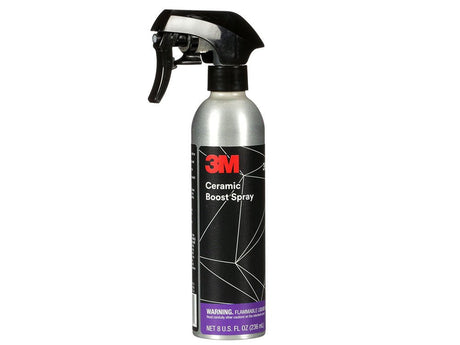
Wrap Tool Belts: Organize the Workflow
Professional wrap installers who work on multiple vehicles per day understand that tool organization is not a luxury — it is a productivity multiplier. Every time an installer has to stop, set down a tool, walk to a workbench, and search for the next item they need, momentum is lost. Over the course of a full day's work, these interruptions add up to a significant amount of wasted time. A well-designed wrap tool belt keeps the most frequently used tools immediately accessible, allowing the installer to maintain focus and flow throughout the installation process.
The Rvinyl wrap tool belts collection offers purpose-designed carrying solutions for the wrap installer's toolkit. Unlike generic tool belts designed for construction or carpentry, wrap tool belts are designed around the specific tools and workflow of vinyl installation. They provide dedicated pockets and holders for squeegees, detail cards, marking pencils, knifeless tape, and other items that need to be within arm's reach at all times during the installation.
The ergonomic design of a quality wrap tool belt distributes the weight of the tools evenly around the waist, reducing fatigue during long installation sessions. This is particularly important for installers who work on large vehicles — trucks, vans, buses, and RVs — where the physical demands of the job are already significant. A comfortable, well-organized tool belt allows the installer to focus their energy on the work rather than on managing their tools.
For shop owners and team leaders, standardizing on a specific tool belt configuration for all installers creates consistency in workflow and makes it easier to identify when a tool is missing or misplaced. When every installer on the team carries the same tools in the same positions, the shop operates more efficiently and the quality of the work is more consistent. The investment in quality tool belts for the entire team is a small cost relative to the productivity and consistency benefits it provides.
Shop Wrap Tool Belts
Air-Release Tools: Eliminate Trapped Air
Air entrapment is one of the most common and frustrating problems in vinyl installation. Despite careful squeegee technique and thorough surface preparation, small bubbles of air can become trapped beneath the film, particularly in areas with complex curves, surface irregularities, or where the film was applied too quickly. Left unaddressed, these bubbles can grow over time as the air inside expands and contracts with temperature changes, eventually causing the film to lift and the bubble to become a permanent defect.
Air-release tools from the Rvinyl air-release tools collection are designed to address this problem efficiently and safely. The most common approach involves a fine pin or needle tool that creates a microscopic puncture in the film directly over the bubble. When done correctly, this puncture is invisible to the naked eye and allows the trapped air to escape without creating a visible hole or compromising the integrity of the film. The film can then be smoothed flat with a squeegee, and the puncture closes up as the adhesive flows back into the area.
Technique is critical when using air-release tools. The puncture should be made at a very shallow angle — almost parallel to the film surface — to minimize the size of the hole and prevent it from being visible in the finished product. Applying heat to the area before and after the puncture helps the film relax and conform more readily, making it easier to smooth the bubble flat. Working from the outside of the bubble inward, rather than pressing directly on the center, helps guide the air toward the puncture point more efficiently.
For films with air-release channels — a feature built into many modern cast films — air-release tools are less frequently needed, as the channels provide a natural path for trapped air to escape during application. However, even with air-release films, there are situations where a tool is needed to address stubborn bubbles that the channels were not able to eliminate. Having an air-release tool in the kit ensures that the installer is prepared for these situations without having to improvise a solution that might damage the film.
Shop Air-Release Tools
Every Tool, One Place
The Rvinyl tools collection covers every stage of the installation process. Use the links below to explore each category and build the setup that fits your workflow.
Surface Prep
Cleaners and prep sprays that create a contamination-free starting surface for every film application.
Shop Surface Prep
Squeegees
Felt-edge, Teflon, and hard-card options for controlled pressure and smooth film application.
Shop Squeegees
Knifeless Tape
Blade-free cutting tape for clean, paint-safe trim lines on curves, seams, and stripes.
Shop Knifeless Tape
Wrap Magnets
Repositionable magnets that hold film in place during alignment and pre-application positioning.
Shop Wrap Magnets
Razors and Knives
Breakaway knives and specialty cutters for precise, controlled vinyl trimming.
Shop Razors
Weeding Tools
Pick, wedge, and burnishing tools for clean detail work and precise vinyl removal.
Shop Weeding Tools
Marking Pencils
Water-soluble marking pencils for cut lines and alignment guides on any surface.
Shop Marking Pencils
Adhesive Removers
Chemical and mechanical removal tools for clean, damage-free vinyl and residue removal.
Shop Removers
Vinyl Film Care
Cleaners, sealants, edge sealers, and primers for long-term wrap protection and maintenance.
Shop Film CareConclusion: Build Your Wrap Tool System
A vinyl wrap installation is a multi-stage process, and each stage has its own tool requirements. The installer who approaches a project with a complete, well-organized toolkit is not just better equipped — they are better positioned to produce consistent, professional results regardless of the complexity of the job. The tools described in this guide are not optional accessories. They are the infrastructure that makes quality installation possible. Understanding why each tool exists — what problem it was designed to solve and what failure mode it prevents — is what transforms a collection of equipment into a coherent, effective system.
It is worth reflecting on how far the vinyl wrap industry has come in terms of tool development. A generation ago, professional wrap installers worked with a fraction of the specialized tools available today. Knifeless tape did not exist. Purpose-built wrap squeegees were rare. Air-release channel technology was still being developed. The improvisation required to work around these limitations demanded a level of skill and experience that placed professional results out of reach for most DIY installers. Today, the combination of purpose-built tools, high-quality films, and accessible educational resources has fundamentally democratized the craft. An installer who invests in the right tools and takes the time to understand how to use them can achieve results that would have required years of professional experience in an earlier era.
Surface preparation tools ensure that the film starts from a clean, contamination-free baseline. Squeegees and application fluids give the installer control over how the film contacts the surface and how air is managed during the application process. Knifeless tape and precision cutting tools provide the means to create clean, paint-safe edges without the risk of substrate damage. Wrap magnets and marking pencils support accurate positioning and layout before the film is committed. Weeding tools and detail cards handle the fine work that determines the quality of the finished edges and cutouts. Aftercare products protect the investment of time and material that every installation represents.
The Rvinyl tools collection is built around this complete workflow, offering products at every stage from the first wipe-down to the final protective coating. Whether you are a professional installer building out a shop toolkit, a DIY enthusiast approaching your first wrap project, or an experienced installer looking to upgrade specific items in your kit, the Rvinyl tools collection provides the products you need to work with more confidence, more control, and better results.
The economics of tool investment are also worth considering. A quality squeegee that costs a few dollars more than a generic alternative will last longer, perform better, and prevent the kind of film damage that can require costly re-dos. A bottle of purpose-built surface cleaner that costs slightly more than a household substitute will produce better adhesion and fewer failures. When the cost of a failed installation — in wasted film, wasted time, and damaged client relationships — is factored in, the marginal cost of quality tools is trivially small. Professional installers understand this intuitively. For DIY installers, it is one of the most important lessons to internalize before starting a first project.
Investing in quality tools is investing in the quality of every project you undertake. The right squeegee, the right knifeless tape, the right surface cleaner — these are not just products. They are the difference between a wrap that looks professional and lasts for years, and one that shows its weaknesses within months. Build your toolkit thoughtfully, maintain your tools properly, and approach every installation with the discipline and preparation that the craft deserves.
Explore the full Rvinyl Tools Collection to find the right products for your next project. From surface prep and squeegees to knifeless tape, wrap magnets, razors, weeding tools, marking pencils, adhesive removers, vinyl film care, wrap gloves, application kits, tool belts, and air-release tools — every stage of the installation is covered.